
Reduced plastic use
The right adhesive choice can replace plastic in key parts of production and packaging - from pallet stabilization to paper straws and paper wrapping.
Reducing plastic is one of the most important topics in modern industry - more and more companies are striving to reduce plastic use, especially single-use plastic. This trend is driven by environmentally conscious consumers and manufacturers/retailers looking for alternatives to secure a more sustainable future. According to research, plastic packaging remains a primary focus of global recycling policies.
In the food sector, large retail chains have ambitious plastic-reduction targets - which directly affects suppliers who must find solutions to support these initiatives. Every step in the packaging process, including adhesives, must be considered.
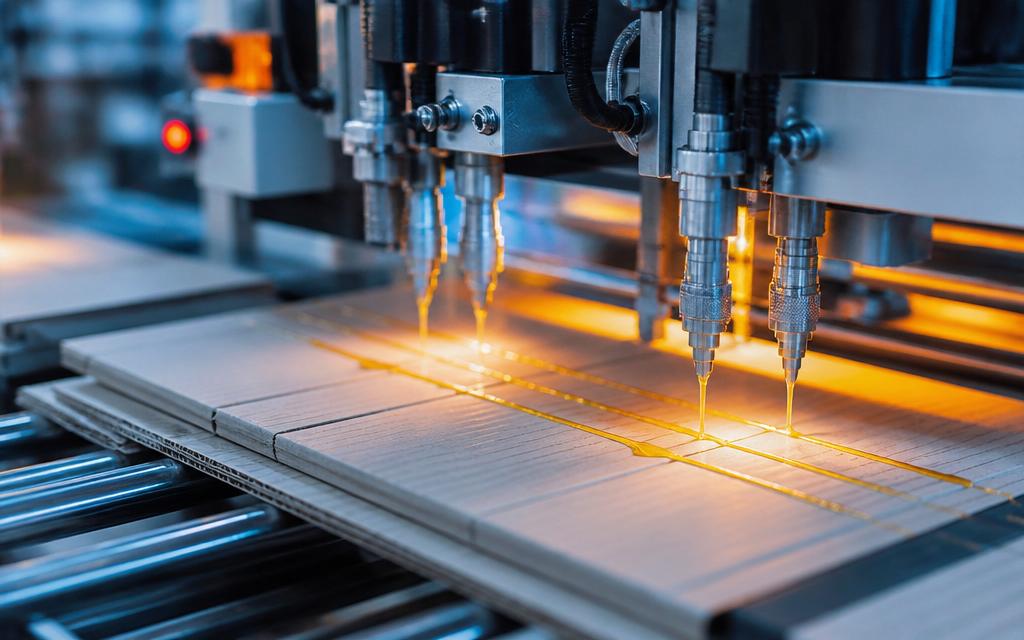
Many recycling facilities classify hot melt adhesives as plastic. That's why at Lumennis we focus on developing applications that reduce the amount of adhesive required and on selecting formulations that represent a more sustainable choice, with the potential to cut consumption by up to 50%.
Adhesives can also be a sustainable alternative to processes that traditionally require large amounts of plastic - from magazine wrapping to pallet stabilization. Our goal is to provide clients with expert support in using adhesives as a more sustainable solution and to contribute to the development of circular-economy principles.
Concrete application examples
Pallet stabilization
An innovative adhesive application for temporarily bonding products on a pallet. The benefits of this solution include easy addition and removal of products, along with a significant reduction in the use of stretch film across the entire supply chain. Plastic film consumption can be reduced by up to 90%.
Paper straws
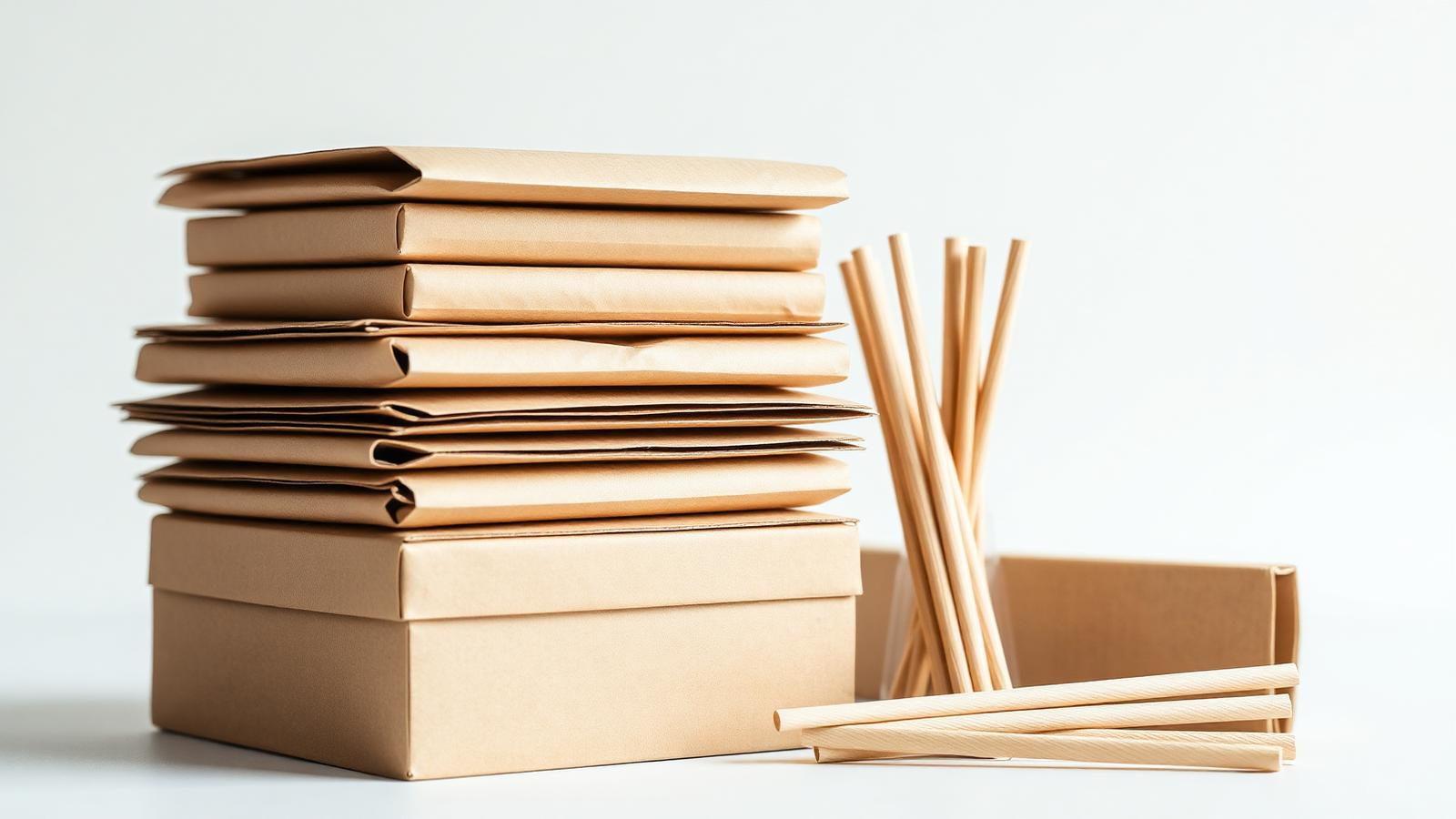
Paper straws are produced on machines that wind layers of paper, using a small amount of adhesive to bond them. Henkel's low-migration formulations are fully safe for food contact - free of plasticizers, phthalates, benzoates and triacetin, and can be recycled together with the paper.
Adhesive mileage
The right adhesive choice can significantly affect consumption per application. Our Supra range features high density, allowing up to 30% less adhesive to be used while achieving the same results. Since adhesive residue is often classified as plastic during recycling, lower consumption directly reduces the plastic footprint of a production line.
Paper wrapping
Polyethylene film was the standard for wrapping magazines and catalogs for decades, but much of that waste ended up in landfills. Today more and more printers are switching from PE film to paper solutions, using appropriate low-migration adhesives.